Find answers to common questions about choosing between polished concrete and traditional tiles for your ground floor
A properly installed concrete surface can last 20-30 years or more with minimal maintenance, while ceramic tiles typically last 15-20 years before requiring replacement. The concrete substrate itself remains intact indefinitely, requiring only periodic repolishing to maintain its appearance. Traditional tiles face issues like cracking, grout deterioration, and individual tile damage that necessitate repairs.
In Singapore's humid climate, concrete surfaces resist moisture penetration better than grouted tile installations. The seamless nature eliminates weak points where water can seep through, making it particularly suitable for ground floor applications where moisture control matters.
Initial installation for polished concrete ranges from S$45-85 per square meter depending on finish level and existing slab condition. Ceramic tiles cost S$35-70 per square meter for materials and installation, while porcelain tiles range from S$60-120 per square meter. Premium tiles can exceed S$150 per square meter.
However, long-term costs favor concrete. Over a 20-year period, tiles require grout cleaning, sealing, and potential replacement of damaged pieces. A concrete surface needs only occasional cleaning and resealing every 5-7 years, costing S$8-15 per square meter. When factoring in maintenance, concrete often proves more economical despite similar or slightly higher initial costs.
Polished concrete achieves a Mohs hardness rating of 5-7 after proper treatment, making it highly resistant to scratches from normal foot traffic and furniture movement. The densified surface resists abrasion better than most tile options. Dropped objects rarely cause damage beyond minor surface marks that can be buffed out.
Ceramic tiles rate 3-5 on the Mohs scale and chip or crack more easily under impact. Porcelain tiles are harder at 7-8 but remain brittle. A dropped pot or heavy object can shatter a tile, requiring replacement. The grout lines between tiles also collect dirt and can crack under stress. For high-traffic ground floor areas in Singapore homes, concrete's monolithic structure provides superior impact resistance.
Concrete floors require simple daily sweeping and damp mopping with pH-neutral cleaners. The sealed surface resists stains and doesn't harbor bacteria in grout lines. Resealing every 5-7 years takes one day and costs S$8-15 per square meter. No specialized cleaning products or equipment are necessary.
Tiled floors demand more attention. Grout lines need regular scrubbing to prevent discoloration and mold growth, especially in Singapore's humidity. Grout sealing should occur annually, and damaged grout requires removal and replacement. Individual tiles may crack or loosen, necessitating repairs. The textured surface of many tiles traps dirt more easily, requiring more frequent deep cleaning. Over time, this additional maintenance adds up in both effort and cost.
Installing polished concrete over existing tiles is technically possible but rarely recommended. The process requires applying a concrete overlay of at least 50mm thickness, which raises the floor level and may create issues with door clearances, transitions, and overall room height. The underlying tiles must be firmly bonded with no loose or hollow sections.
Most professionals in Singapore recommend removing tiles first to access the original concrete slab. This approach provides better results, ensures proper adhesion, and allows inspection of the substrate for any structural issues. Tile removal adds S$15-25 per square meter to project costs but delivers a superior finished product. For ground floor applications where structural integrity matters, working with the original slab produces the most reliable outcome.
Both materials remain naturally cool underfoot due to their thermal mass properties. Concrete and ceramic materials don't retain heat like wood or carpet. In ground floor applications, both options stay comfortable year-round as they're in contact with the cooler earth below.
Polished concrete may feel slightly cooler because its continuous surface conducts heat away from contact points more efficiently. The smooth finish also reflects more light, potentially reducing heat absorption in sun-exposed areas. Tiles with textured surfaces can trap warm air in their grooves. However, the difference is minimal in practice. Both options perform well in tropical conditions, with air conditioning and ventilation playing a larger role in overall comfort than flooring material choice.
Sealed polished concrete creates a continuous moisture barrier with no seams or joints where water can penetrate. The densification process fills pores in the concrete, making it highly resistant to water absorption. This seamless characteristic makes it excellent for ground floor areas prone to occasional moisture exposure.
Ceramic and porcelain tiles themselves resist water well, but the grout lines between them remain vulnerable. Grout is porous and absorbs moisture unless properly sealed and maintained. In Singapore's humid environment, unsealed grout can harbor mold and mildew. Water can also seep through grout to the substrate beneath, potentially causing adhesive failure and tile loosening. For areas where moisture control is critical, concrete's monolithic structure provides better long-term protection.
Tiles offer extensive design variety with countless colors, patterns, sizes, and textures available. You can create intricate patterns, borders, and custom layouts. This makes them suitable for homeowners wanting specific aesthetic themes or decorative elements on their ground floor.
Polished concrete provides a more limited color palette, typically ranging from natural gray to earth tones achieved through staining. However, modern techniques allow for scoring patterns, embedded designs, and varied sheen levels from matte to high-gloss. The industrial-modern aesthetic suits contemporary Singapore homes but may not appeal to those preferring traditional or ornate designs. Concrete works best for open-plan spaces where its seamless appearance enhances the sense of continuity and spaciousness.
Polishing an existing concrete slab typically takes 3-5 days for a standard HDB flat ground floor (approximately 100 square meters). This includes grinding, densifying, polishing, and sealing stages. If applying a new concrete overlay, add 7-10 days for curing before polishing begins. The space becomes usable 24-48 hours after final sealing.
Tile installation for the same area takes 5-7 days including substrate preparation, tile laying, grouting, and cleanup. However, grout requires 72 hours to cure fully before the floor can handle normal traffic. Complex patterns or smaller tiles extend installation time. Both options require moving furniture and temporarily relocating, but concrete installation generates more dust despite proper containment measures. Plan accordingly when scheduling work for your ground floor space.
Established in 2015, Energycarepoint began when three civil engineers in Tampines noticed a gap in Singapore's flooring market. Residential developers and homeowners were choosing between polished concrete and ceramic tiles without access to comparative data on actual performance in tropical conditions.
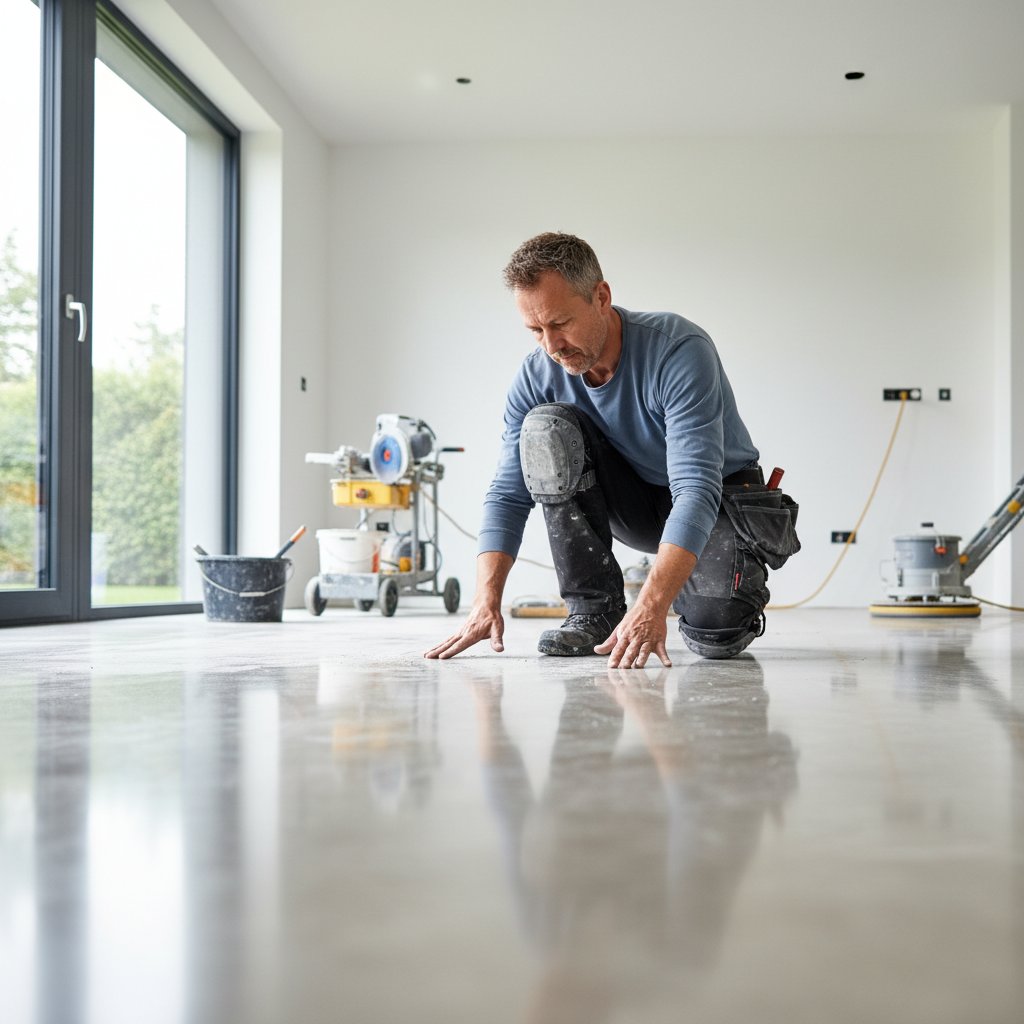
The company started in a small office at Tampines Street 11, where we conducted our first comparative study on flooring materials for ground floor HDB flats. We tested 12 different polished concrete finishes against 15 tile varieties over 18 months, measuring wear patterns, maintenance requirements, and actual costs including installation and upkeep.
By 2017, we had compiled data from 47 residential projects across Tampines, Bedok, and Pasir Ris. The results showed that polished concrete maintained 94% of its original finish after five years in high-traffic areas, while standard ceramic tiles showed visible wear at joints and grout lines. This research became the foundation for our consultation services.
We provide Singapore homeowners with factual comparisons between polished concrete and traditional tiles. Our mission centers on presenting measured data about durability, maintenance schedules, and total ownership costs over 10-year periods. Each consultation includes samples tested under local humidity conditions and foot traffic patterns typical for ground floor units.
Our approach: We measure concrete hardness using Mohs scale testing, track moisture absorption rates in Singapore's 80% average humidity, and calculate replacement costs based on current material prices from three major suppliers in the eastern region.
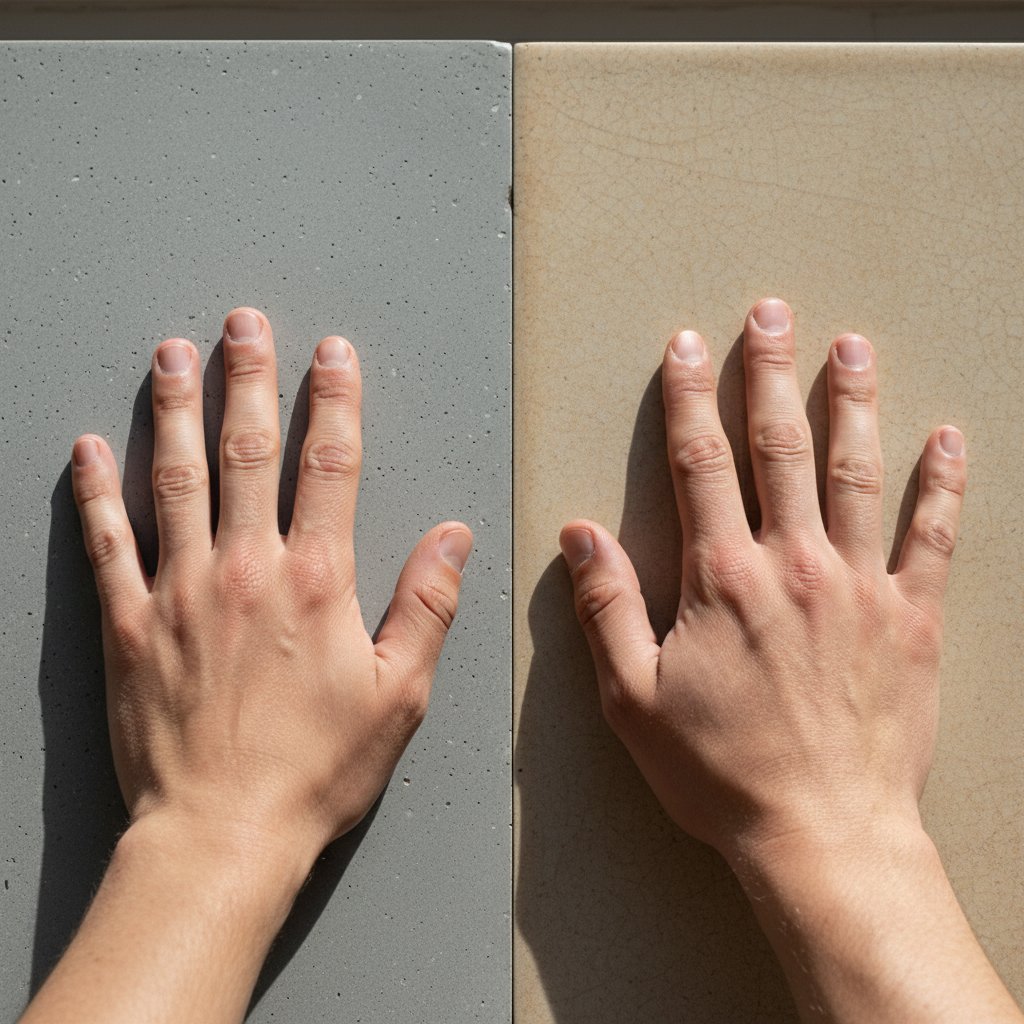
We base all flooring suggestions on laboratory testing and field measurements from completed installations. Every material comparison includes documented performance data from Singapore properties.
Our quotes itemize material costs, labor hours, surface preparation requirements, and projected maintenance expenses. Clients receive spreadsheets comparing 5-year and 10-year total costs for both flooring options.
All our testing accounts for Singapore's specific conditions: 26-28°C average temperature, high humidity, and seasonal monsoon patterns. We understand how these factors affect both concrete curing and tile adhesion.
Our team includes 6 flooring specialists with Building and Construction Authority certifications, 4 project managers with an average of 11 years in residential construction, and 2 materials engineers who conduct ongoing performance testing. We maintain partnerships with three concrete suppliers and four tile importers, allowing us to source materials at competitive rates while maintaining quality standards verified through independent testing.
Since 2015, we have installed polished concrete in 142 ground floor units and traditional tiles in 88 units across eastern Singapore. This hands-on experience with both materials gives us practical insights into installation challenges, drying times during rainy seasons, and long-term performance in tropical conditions that theoretical knowledge cannot provide.