The real cost of Polished concrete vs. traditional tiles: Durability and cost for ground floor living: hidden expenses revealed
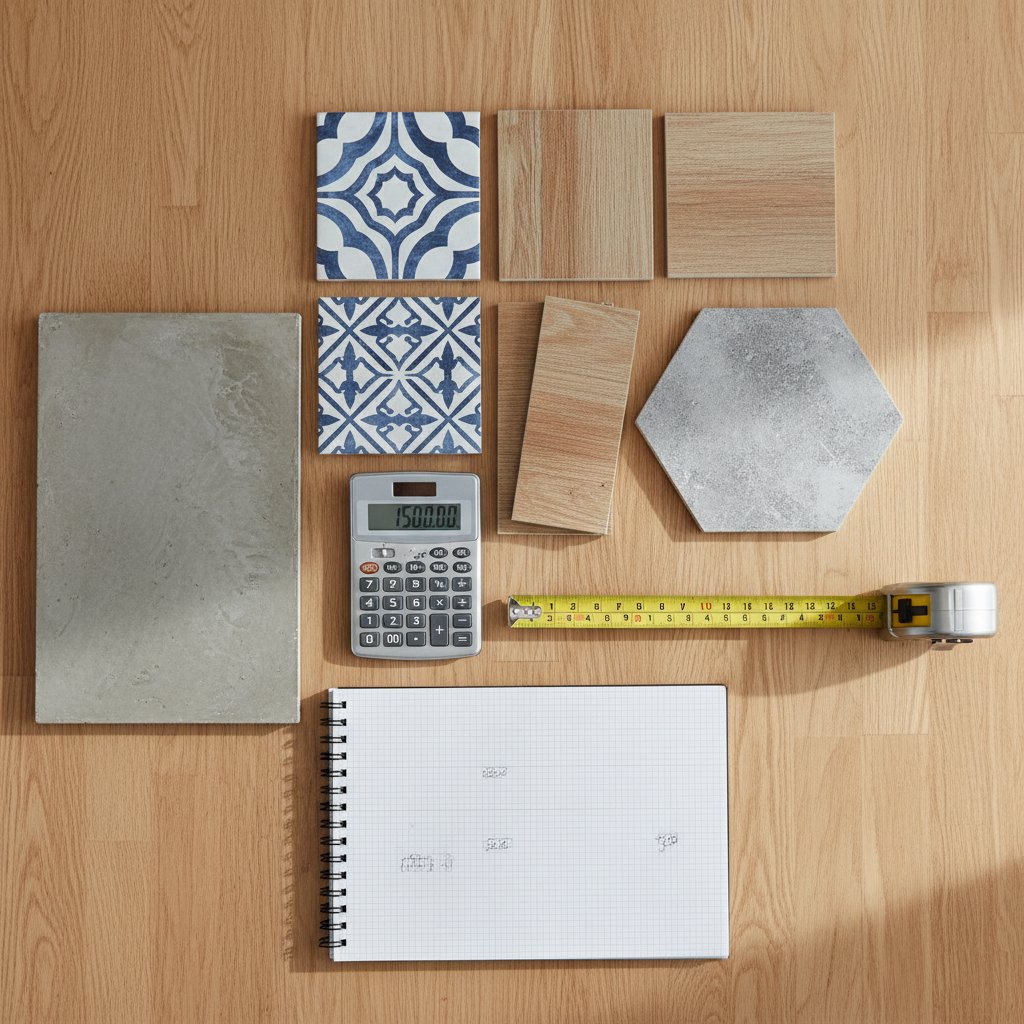
My neighbor Jamie spent three months agonizing over her ground floor renovation, spreadsheets everywhere, comparing every flooring option down to the last cent. She chose traditional tiles because they seemed "obviously cheaper." Fast forward eighteen months: she's dealing with cracked grout, two chipped tiles from a dropped pan, and she just paid a specialist $400 to replace them because the original batch was discontinued. Meanwhile, my polished concrete floor? Still looks identical to installation day, and I've dropped everything short of a bowling ball on it.
The flooring debate isn't really about upfront costs. It's about what happens in year three, year five, and year ten.
The Sticker Shock That Isn't
Let's rip the band-aid off: polished concrete typically runs between $8-15 per square foot installed, depending on your existing slab condition and desired finish level. Premium porcelain or ceramic tiles? You're looking at $5-12 per square foot for materials, plus another $5-8 for professional installation. Stone tiles push even higher, sometimes hitting $20+ per square foot.
On paper, basic ceramic tiles win. But that's like comparing car prices without factoring in fuel, insurance, and maintenance.
The Hidden Line Items Nobody Mentions
Traditional tile installations come with a shopping list of extras that somehow never make it into the initial quote. Underlayment, waterproofing membranes, grout, sealant, spacers, and trim pieces add another 15-25% to your material costs. Then there's the labor reality: tile installation is genuinely skilled work that takes time. A 500 square foot space might take 3-5 days to complete properly.
Concrete polishing works differently. If you've got an existing concrete slab (which most ground floors do), you're essentially working with what's already there. The process grinds, densifies, and polishes the surface. No demolition costs. No hauling away old flooring. No subflooring drama.
Where Durability Stops Being Abstract
According to the Concrete Polishing Association, properly polished concrete floors can last 20+ years without refinishing. Tiles? The National Tile Contractors Association puts quality tile lifespan at 15-20 years, but here's the catch: that's assuming perfect installation and minimal damage.
Real-world durability looks different. Grout lines are the Achilles heel of any tiled floor. They crack, stain, harbor bacteria, and require resealing every 1-3 years depending on traffic and cleaning habits. Professional grout cleaning and resealing runs $0.50-3.00 per square foot. For a 500 square foot space, you're dropping $250-1,500 every couple of years.
I spoke with Marcus Chen, a commercial flooring contractor with 22 years in the business. His take? "Tile looks gorgeous on day one. But by year five, you can always spot the high-traffic patterns. The grout darkens unevenly, individual tiles crack from impact or substrate movement. Concrete just develops character. Those micro-variations people worry about? They become part of the aesthetic rather than damage you need to fix."
The Replacement Cost Nightmare
Here's a scenario that plays out constantly: you crack a tile. Just one. Should be simple, right? Wrong. Matching discontinued tile batches is nearly impossible because manufacturing runs vary in color and finish. You'll either live with a mismatched tile forever or rip out and replace entire sections. Concrete develops hairline cracks occasionally, but they're repairable with color-matched fills that blend seamlessly. Cost difference? $50 versus $500+.
The Twenty-Year Math
Let's run actual numbers on a 500 square foot ground floor living area:
Polished Concrete:
Initial installation: $5,000-7,500
Maintenance (annual cleaning, occasional resealing): ~$100/year = $2,000 over 20 years
Total: $7,000-9,500
Mid-Range Ceramic Tile:
Initial installation: $5,000-10,000
Grout maintenance (every 2 years): $500 × 10 = $5,000
Tile replacements (conservative estimate): $800-1,500
Total: $10,800-16,500
That gap widens dramatically if you factor in the thermal mass benefits of concrete (lower heating/cooling costs) or choose premium tiles.
What They Don't Tell You About Comfort
Both surfaces feel hard underfoot—let's not pretend otherwise. But concrete's thermal properties make it surprisingly comfortable in ground floor applications. It absorbs heat during the day and releases it at night, creating natural temperature regulation. Pair it with radiant floor heating, and you've got a system that tiles simply can't match for efficiency.
Tiles sit on top of substrate with air gaps and adhesive layers that reduce thermal conductivity. You pump more energy into heating them, and they lose that heat faster.
Key Takeaways
- Initial costs favor tiles by $0-2,000, but lifetime costs swing heavily toward polished concrete
- Grout maintenance alone costs $2,500-5,000+ over a 20-year period
- Concrete repairs blend invisibly; tile replacements almost never match perfectly
- Thermal properties reduce heating/cooling costs by an estimated 10-15% annually
- Concrete durability increases over time as the surface densifies; tiles degrade
The smartest money decision isn't always the cheapest upfront option. It's the one that costs you the least sleep, the fewest weekend repair projects, and the smallest dent in your bank account over the decades you'll actually live with it. Jamie knows that now. Her next project? She's already calling concrete contractors.