Polished concrete vs. traditional tiles: Durability and cost for ground floor living in 2024: what's changed and what works
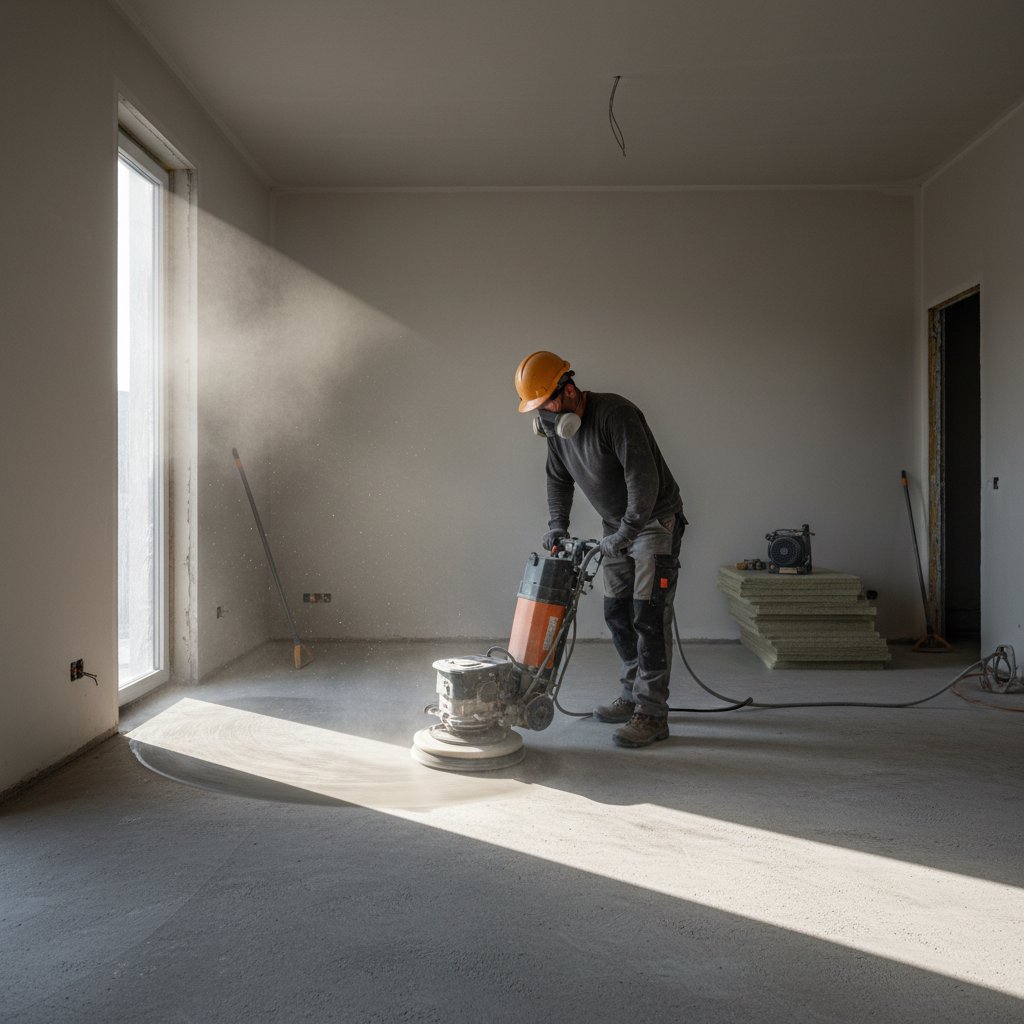
Ground floor living has changed dramatically over the past few years, and so have our flooring expectations. The eternal debate between polished concrete and traditional tiles keeps evolving as materials improve, installation methods change, and our understanding of long-term performance deepens. Let's cut through the noise and look at what actually matters in 2024.
1. The Real Cost Gap Has Narrowed (But There's a Catch)
Five years ago, polished concrete was the budget champion at $3-8 per square foot for basic finishes. Traditional ceramic tiles sat comfortably at $5-15 per square foot installed. Flash forward to 2024, and the story's more complicated. Quality polished concrete with proper sealing and finishing now runs $8-15 per square foot, while mid-range porcelain tiles have dropped to $6-12 per square foot thanks to improved manufacturing.
Here's what changed: concrete polishing equipment became more sophisticated, requiring specialized contractors who charge accordingly. Meanwhile, tile manufacturing went into overdrive during the building boom, driving prices down through competition. The catch? Your existing slab condition matters enormously. If you're dealing with cracks, uneven surfaces, or poor substrate quality, remediation can add $2-5 per square foot before polishing even begins. Tiles, on the other hand, forgive minor imperfections through mortar bed leveling.
2. Durability Isn't One-Size-Fits-All Anymore
Both options laugh at the 20-year lifespan mark, but they age differently. Polished concrete develops character—micro-scratches, slight patina changes, and surface wear that some homeowners love and others hate. High-traffic areas might need re-polishing every 5-7 years at roughly $1-2 per square foot. Not terrible, but it's a thing.
Modern porcelain tiles, especially those rated PEI 4 or 5, can outlast your mortgage without visible wear. The weak point? Grout lines. Even with epoxy grout (which costs 3x more than standard but actually holds up), you're looking at maintenance. The game-changer in 2024 is rectified large-format tiles—24x48 inch slabs with minimal grout lines that reduce the traditional weakness of tile installations. They're bridging the seamless look of concrete with tile's proven durability.
3. Moisture Resistance: The Ground Floor Reality Check
Ground floor living means dealing with moisture migration from below, and this is where the conversation gets interesting. Properly sealed polished concrete handles surface moisture beautifully—spills wipe up in seconds. But here's what contractors won't always mention upfront: concrete is porous. Without a proper moisture barrier beneath your slab, you can get vapor transmission that eventually degrades sealers from below.
Tiles with proper waterproof membranes underneath? They're basically bulletproof against moisture. A Schluter or RedGard membrane adds $1-2 per square foot but creates an impermeable barrier. This matters more than ever in 2024 as climate patterns shift and unexpected flooding becomes less unexpected. Three severe rain events in your area over the past decade? Tiles with proper prep might be worth the peace of mind.
4. The Thermal Mass Advantage Actually Matters Now
With energy costs up 40-60% since 2020 in many markets, thermal mass isn't just a green building buzzword anymore. Both concrete and tiles store heat energy, but concrete's thickness gives it an edge. A 4-inch concrete slab can absorb and release heat over 8-12 hour cycles, naturally moderating indoor temperatures.
Tiles over concrete provide similar benefits but with slightly less thermal mass due to the mortar bed air gaps. The real winner? Polished concrete with in-floor radiant heating, which turns your floor into a giant, efficient radiator. Installation costs run $6-15 per square foot for the heating system, but monthly heating bills can drop 20-30% compared to forced air systems. That payback period has shortened considerably as energy prices climbed.
5. Maintenance Reality: What Actually Happens After Year Five
The maintenance story you hear at installation and the reality five years later often diverge. Polished concrete needs pH-neutral cleaners only—use the wrong product once, and you'll dull the finish. You'll also need to reseal every 2-3 years in high-traffic areas, running $0.50-1 per square foot for materials if you DIY, or $2-3 per square foot for professional application.
Tiles are more forgiving with cleaning products, but grout is grout. Even sealed grout in a kitchen will discolor over 3-5 years unless you're religious about maintenance. Re-grouting costs $3-8 per square foot depending on whether you're doing spot repairs or complete removal and replacement. The 2024 shift? More homeowners are choosing grout-free installation methods like tight-joint rectified tiles or switching to epoxy grout from the start despite the 200% cost premium.
6. Aesthetic Flexibility: The Design Conversation Has Evolved
Polished concrete used to mean industrial chic and not much else. Now you've got acid staining, dye options, aggregate exposure levels, and finish choices from matte to glass-like. You're still working within an industrial-modern aesthetic family, though. Tiles in 2024? They've gone absolutely wild. Porcelain that mimics concrete, wood, marble, terrazzo—even textured finishes that feel like natural stone but perform like porcelain.
The flexibility advantage clearly goes to tiles. Want to change your aesthetic in 10 years? Good luck with concrete—you're committed. Tiles can be removed and replaced, though it's not cheap ($4-8 per square foot for demo and disposal). This matters more for ground floor living spaces that often serve multiple functions and get redesigned as life circumstances change.
Your ground floor deserves flooring that matches how you actually live, not just how a showroom looks. Polished concrete wins on seamless aesthetics and thermal efficiency if you've got a good slab to start with. Tiles take the crown for design flexibility, moisture protection, and predictable long-term costs. Neither is universally better—they're just better for different situations, and understanding those differences before you commit your budget makes all the difference.